How To Plan Your First Solo Trip
Alright, so… you’ve mustard up the courage and decided you’re taking a solo trip! First and foremost, congratulations!!!
Depending on who you are, and where you’re from, you’ve probably had to overcome a lot of push back from friends, family or maybe even your own conscious.
But, where do you begin? How do you plan? Budget? And, prepare for your trip? Let’s dive in!
Pro Tip #1: Do Your Research
Current Events/News: It’s always a good idea to get a sense of the political climate of the country you’re planning to visit.
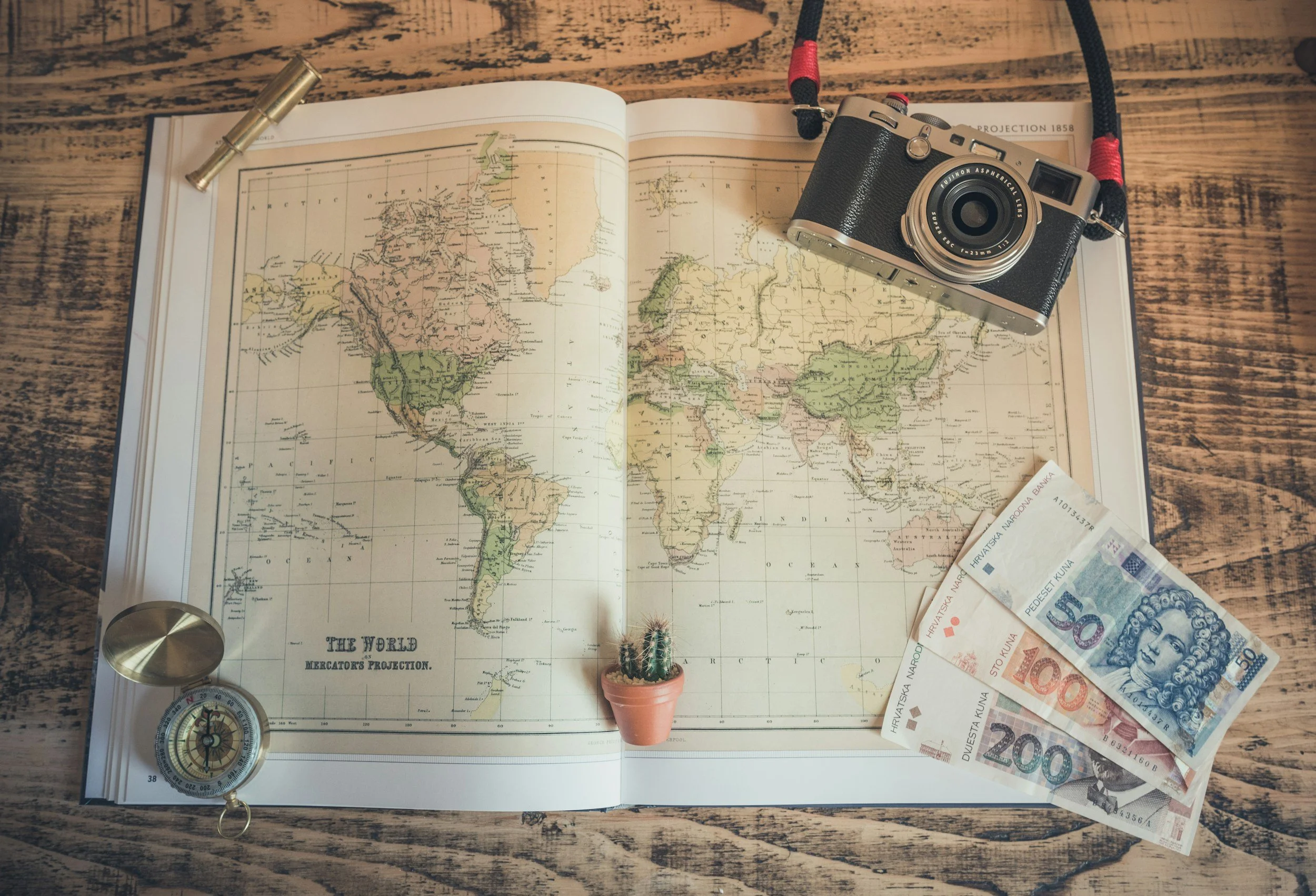
Currency Conversions: Can you vacation like a baller? Or, do you need to be a little more strategic with your finances? Measuring the currency of the country you’re travelling to against your home country will answer this for you!
Know Yourself: What kind of traveler are you? Do you enjoy a jam-packed trip with a full itinerary? Or, would you prefer lots of rest and relaxation? Is night life important? What about outdoor activities? Knowing yourself helps to pick the perfect location for you because, you might not enjoy whatever country is currently trending.
Things To Do: Tying into knowing yourself; what are some things you like to do—or would want to do in another county? Which country would you want to do that in? For example; parasailing in Medellin or hot air balloon in Cappadocia? Researching things to do ahead of time paints the picture of what kind of experience you’re most likely to have based on the experiences that the country offers.

Pro Tip #2: Compare Fights
If you’re price conscious and would rather travel for the experience of traveling rather than traveling because it’s your dream destination, then, doing price comparisons of different flights to different locations throughout the year can be a great way to find deals!
However, I would caution you to take a look in to why flights may be cheaper during that time. For example is the countries weather not the most ideal during that season? Sometimes airlines will discount flights during off-season but once you get there, you find out its hurricane or monsoon season and your stuck weathering a downpour instead of sipping on virgin pina coladas.
Pro Tip #3: Book Accommodations
Alright so you’ve booked your flight, now, where to stay? I almost always book my accommodations after I’ve secure my flight. That way I know for sure (well… with maybe about 80% certainty) that I’m going to that country. Booking.com is one of my favorite websites because if you have an account you can earn discounts and special perks!
Pro Tip #4: Book Popular Excursions/Experiences In Advance
Depending on where you go, some activities need to be booked months (yes, months) in advanced. It’s a good idea to do a little research beforehand when building your itinerary.
Pro Tip #5: Keep Track Of Everything
Expenses, dates, activities, etc. Traveling does not have to be expensive, but the last thing you want is to travel without a plan. Keeping track of everything allows you to manage your budget, time and experience without breaking the bank, or missing your reservations.
Pro Tip #6: Under Transportation
Do not overlook how you’re going to get around once you land! Research the country’s public transportation system before you go. Trust me, the worst thing is arriving in a new country and not knowing how to get around or navigate the local transportation system—especially after a long flight.
Getting a solid understanding of how to navigate to and from during your trip will save you time (and headaches) on the back end.
Super Pro Tip: look into transportation passes. Many places offer day or week passes that save you significantly more than buying individual tickets (some are even digital and can be added to your phone)
Pro Tip #7: Learn about the country’s culture / helpful phrases in the native language
Even if you only know a couple phrases like:
“Do you speak English?”
“Please”
“Thank You”
“Hello”
“I don’t understand”
You’ll be surprised how much your experience with the locals will change just by honoring them by attempting to speak the native language. It may seem small but it truly does change the entire experience and people tend to soften when they see you trying. And culturally, understanding basic etiquette can save you from unintentionally offending someone.
